
Tag: Social Media Analytics

  • Audience Target Strategy: Kitsch

    When developing an audience target strategy, I chose to analyze and use the brand Kitsch. Kitsch is a female-founded and owned hair and body care brand. Kitsch is sold both in stores and has a strong online presence through apps like TikTok. If I were developing a strategy to develop and properly target a specific audience, I would first look at the products sold by the brand, as that will give more insight into how to properly target the people who will understand and value the brand and what it sells. 

    Kitsch sells a range of haircare, body care, and beauty tools. It was built out of the owner’s and founders’ need for elevated, sustainable beauty products. I would first focus on the demographics of our target audience for ads, which is mainly women on the platform. Kitsch makes a point to emphasize the relevance of being female-owned and founded through their site and social media posts. So ideally, the gender and age would be women from 18 to 65. I would also set the range of reach of these ads to worldwide, as the brand emphasizes their products’ sustainability features for the benefits of creating a healthy earth and minimizing beauty product waste through products like shampoo bars and solid face washes. 

    Then, further breaking down the ideal demographic, I would target those women who have an interest in beauty products and tools and have frequent interactions with beauty brands and beauty advertisements. When developing the target audience, we can also utilize those who are following a large number of beauty influencers and have made past purchases on beauty brand sites, who may be our competitors through social media ads. I would target those who have the room in their budget to purchase beauty products outside of the typical drugstore range, as I wouldn’t classify Kitsch as luxury, but it also sits outside the drugstore range 

    For the lookalike audience, I would recommend narrowing in on the women from the ages of 18-40 who prirotize self care and using sustainable products, as well as following the trend in the beauty industry of prioritizing purchasing clean beauty products, which Kitsch does offer through their products. I would also recommend narrowing our target audience to the women who prioritize using aesthetically pleasing beauty products. Kitsch offers a range of products that are both functional and look luxe and high quality for a middle-of-the-pack price point.

    Through these two target audiences, I believe Kitsch could see a return on their investments in social media advertisements through not only conversions but also finding customers that align with the brand’s value and mission through its products.
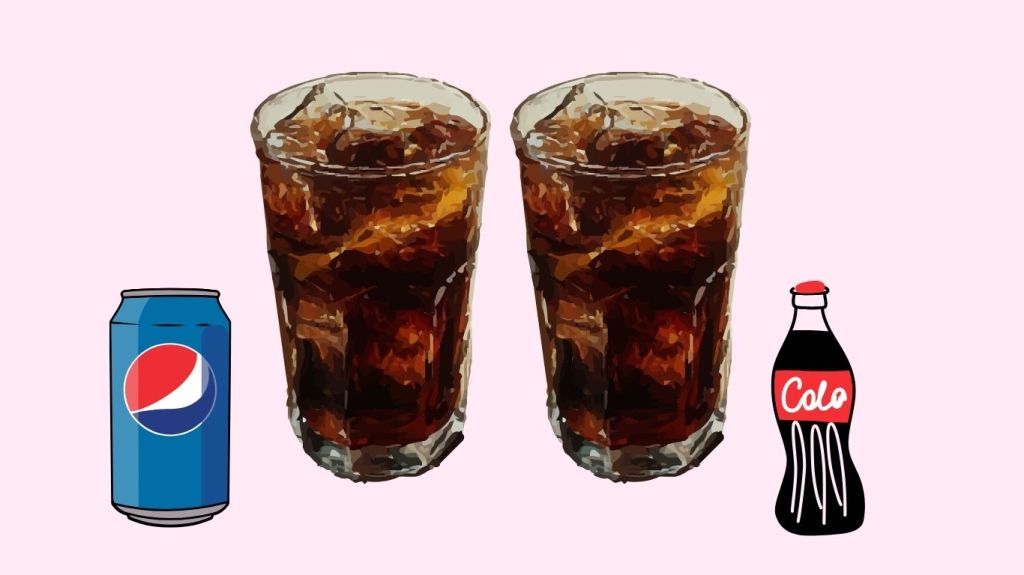
  • Paid Social Media Ad Audit: #TeamPepsi

    To complete a paid social media ad audit, I chose to use Pepsi’s latest ad campaign, which I have heard about widely, from social media ads to podcast placement ads. Pepsi launched “The Pepsi Challenge” over the last few weeks to invite soda lovers to taste test Pepsi Zero and Coca-Cola Zero Sugar and pick a “team”. 

    The objective of the ad was to increase conversions through social media engagement, as the ad drives conversations about which brand tastes better by encouraging soda consumers to go to stores to buy both brands, post their taste tests on social media, and choose “TeamPepsi.” The actual ad utilizes the actual competition between the brands through their visuals. Pepsi brought in an animated polar bear, which is widely known as a Coca-Cola image, and had the bear complete a blind taste test and pick its own competitor as the better-tasting soda, and shows the bear being torn by its choice in the taste test and being jealous of those who can openly enjoy their Pepsi’s out in public and ends with the bear ultimately accepting its fate asa pepsi lover. Much like the bear, Pepsi alludes in its copy that they are accepting of soda consumers who will complete the taste test and join “TeamPepsi.”

    The ad was ultimately successful in its engagement with followers and users. On Facebook alone, the ad had 112k Likes, 2.3K comments, 11K shares, and a total of 3.1M views as of February 2026. One could assume this ad is targeted to those soda consumers who are passionately opinionated about the age-old question of what’s better: Pepsi or Coke? 

    While the ad has ultimately successful in reach and engagement, I would recommend the following adjustments for the ad to reach maximum potential and ROI for the brand.

    Firstly, while I think the use of the Coca-Cola bear was a fun take on the way to depict the competition between the brands over the years, I think messaging could be misconstrued by consumers, thinking it’s a Coca-Cola ad rather than a Pepsi ad. I think Pepsi would do well with developing its own mascot or image that can be tied to the brand, the way Coca-Cola has done with polar bears, and using that for future ads.

    Another recommendation I have for Pepsi for the success of this campaign would be to utilize influencers for the social media ads. Utilizing social media influencers can help spread the campaign as well as the taste test experience, similarly to other viral campaigns we’ve seen on social media, like the “healthy diet coke” trend that went viral on TikTok back in 2023. Using social media influencers for this campaign can also build up trust between the brand and its target consumer by giving real faces to the campaign as opposed to an animated mascot for the leading competitor.