
Over the past few weeks, we have discussed a lot of the whys behind a user going to use our product, good or service, but now it’s time to analyze and try to develop the “How”. This can be done through the use of a Customer Journey Map. A customer journey map is a visual interpretation from an individual’s perspective of their relationship with an organization, service, product or brand. These maps are typically done from the customer’s point of view.
What does a Customer Journey Map consist of?
Customer journey can vary from each product the customer is consuming or using, but they do have standard requirements to help build out the full experience. Using the example I created below for the potential customer of the experience of “buying groceries”, Karen, a 26-year-old single woman, we go through the experience with her to see the whole journey of buying her groceries for the week ahead.
Together, let’s go through the must-have aspects of the customer journey map and use Karen’s experience to piece it all together.
- Persona: Who is your customer? What do they do? Why do they need your product?
- Our customer for this example is Karen, a 26-year-old single woman who works a 9-to-5 job and needs groceries to sustain her through another busy week of work. She uses her Saturday afternoons to shop.
- Touchpoints: This is what your customer will be doing as they use your product, good, or service.
- In this example, for Karen, she would be writing her grocery list, driving to the store, getting a cart, entering the store, and going through the aisles of the store to collect the items she needs, and then getting in line to cash out with a cashier, then she finishes her shopping experience and leaves the store.
- Emotions:
- What does a typical customer feel as they go about their journey with your product? Why do they feel this way? What aspects of the product, good or service, are making them feel this way?
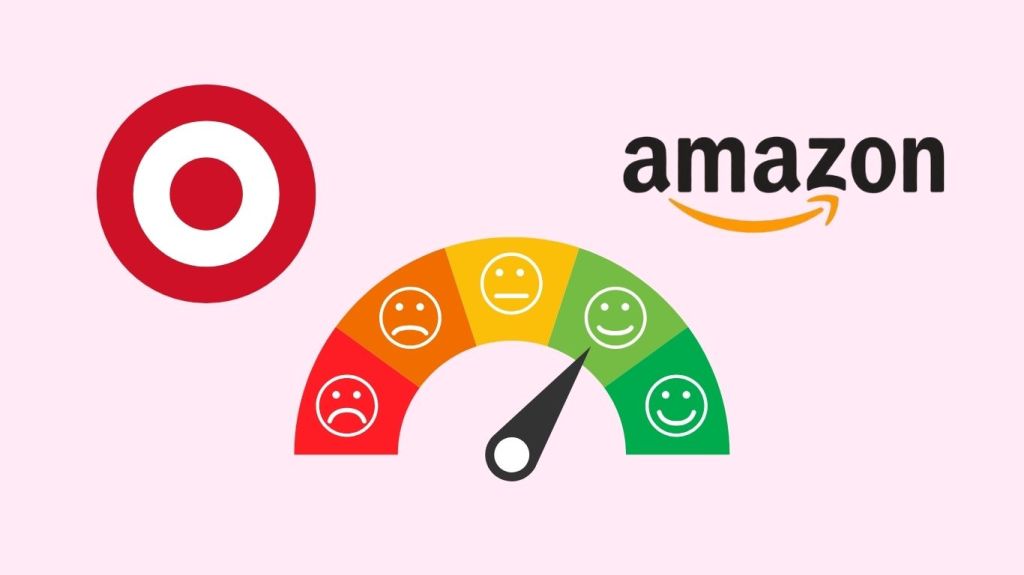
- Karen goes through, feeling motivated, ready to accomplish her chores, and check all the items off her list, to feeling upset due to missing items at the store, to then feeling frustrated due to not knowing what to bake for the upcoming week, to after checking out feeling accomplished.
- Timeline: This is the length of time that the person will be using your product, good, or service. This will impact the number of things your customer goes through during their experience.
- Karen’s experience buying groceries begins at 3:00 PM on a Saturday and goes until 4:30 PM when she leaves the store.
- Channel: This is the location where the journey takes place.
- Karen’s channel is her local market she chooses to shop.
Once all these aspects are mixed together, you get the full picture of a customer Journey Map.



 KOMA designs