Have you ever wondered why celebrities are constantly coming out with new brands and products? When did we switch from celebrity endorsements to celebrities becoming the CEO of brands?
Why do we, as consumers, care what they are selling? And what do we gain by purchasing their products?
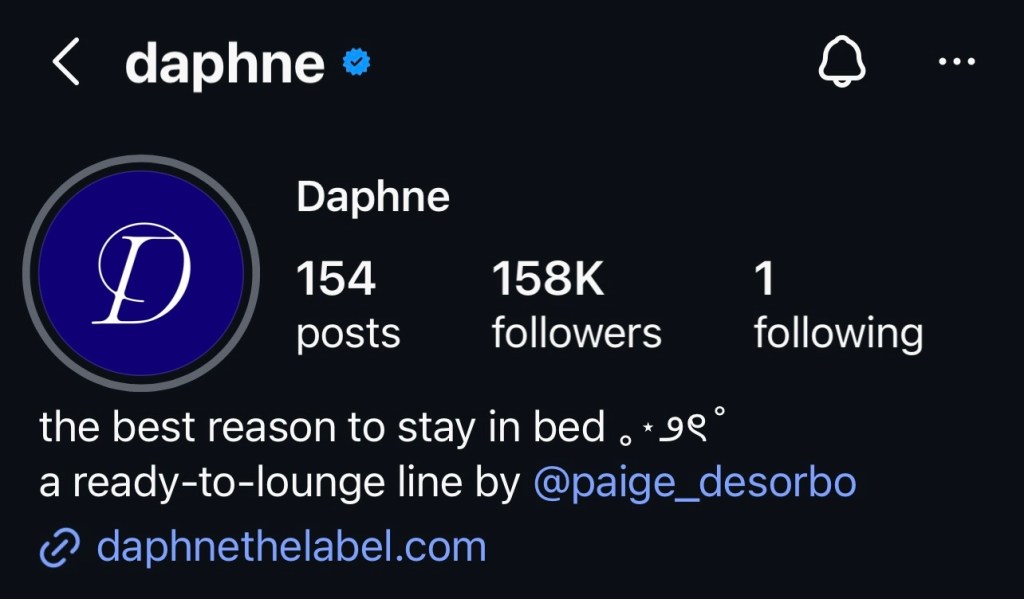
Below, I have attached some of the most well-known celebrity-owned lines that will eventually be used in a medium-length article in the upcoming weeks that discusses the consumer psychology behind celebrity brands and the stories of both successes and failures celebrities have seen from their line.
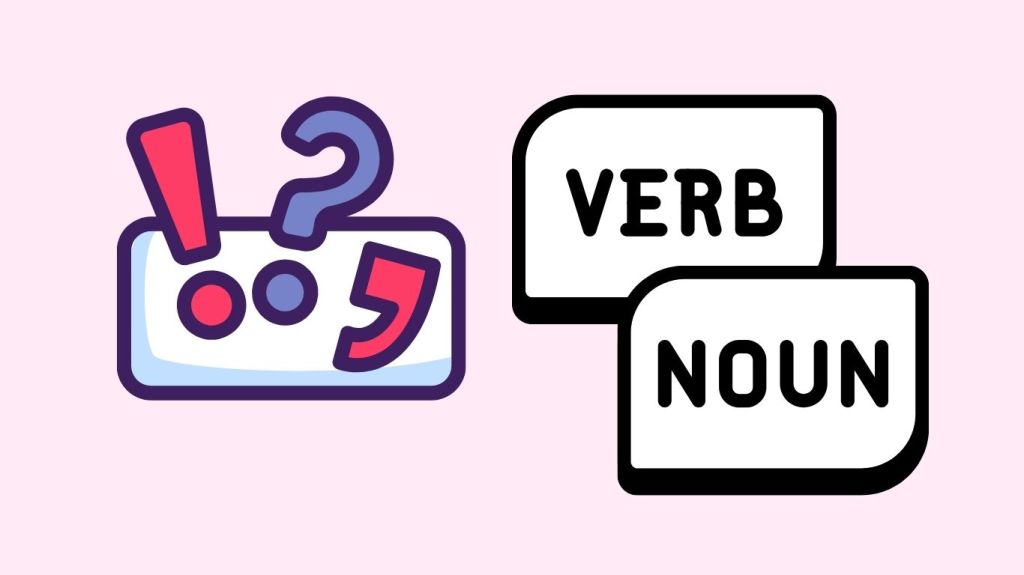
See anything wrong with that title? Maybe the grammatical errors that were all throughout it? You didn’t notice? Then this is the refresh for you!
In On Writing Well, author William Zinsser writes an entire chapter on the importance of grammar in writing. Beyond having the article or piece of content readable for the audience, Zinsser explains the importance of using grammar to enhance your writing while stressing the importance of not losing your voice or message because of technical writing. But first we have understand or better yet, refresh ourselves on grammar as a whole.
Example: (!) – I can’t believe he said that about her!
Not to negate Zinsser’s ideas about the importance of grammar when it comes to conveying your message and developing your voice as a writer, but it is also important to remember its proper technical use in writing.
Sources:
Zinsser, William K. On Writing Well: The Classic Guide to Writing Nonfiction. HarperCollins, 2006.
In 1996, Bill Gates published an essay titled “Content is King”—a visionary piece that predicted how the internet would evolve into a marketplace powered by information and creativity. Nearly three decades later, his insights are more relevant than ever, especially when it comes to advertising on the internet.
Gates argued that the true value of the online world would come from the quality of its content, not just the technology that delivered it. In today’s era of social media ads, influencer marketing, and search engine optimization, his words ring true: audiences gravitate toward content that informs, entertains, or solves a problem—not just flashy promotions.
Modern digital advertising thrives when brands adopt this philosophy. Whether it’s a compelling YouTube video, a helpful blog post, or a viral TikTok clip, the most effective online ads are those that feel like valuable content rather than interruptions. Consumers are more sophisticated now; they can instantly recognize inauthentic marketing. To capture attention, advertisers must focus on authenticity, storytelling, and usefulness—just as Gates envisioned.
Platforms like Google and Meta reward high-quality, relevant content with better visibility and lower advertising costs. The more engaging and original your material is, the more algorithms—and audiences—will favor it.
Ultimately, Gates’ prediction has become the cornerstone of modern marketing strategy: in a world overflowing with information, content remains king. Those who create genuine value through their advertising not only win clicks—they win trust and long-term loyalty.
DISCLAIMER: This blog post was written by ChatGPT for assignment purposes. All thoughts, concepts and images are AI- Generated.
In Chapter 5 of On Writing Well, the author William Zinsser brings up an interesting point of not losing the audience of your writing to distraction, and who you should tailor your writing to. I agree with the importance of keeping your audience entertained and enticed throughout the reading of your content. Zinsser states, If the reader ‘dozes off in the middle of your article because you have been careless about a technical detail, the fault is yours”(Zinsser, pg.25)- which is true; it’s hard to keep and develop an audience if your writing is filled with grammar mistakes and poor syntax.
However, Zinsser also tells us that it’s important to remember not to write to cater to a mass audience. I found this point interesting as I feel it goes against what the majority of us were probably taught in grade school and maybe even college. We were often taught to write to a mass audience and to remove each reader’s individuality. Zinsser, however, believes we should write for ourselves and use the diction we’d use conversationally and not try to sound more sophisticated than we would normally speak. I found this concept interesting as I think if more writers (including myself) wrote for ourselves, I think would allow for less burnout amongst writers and maybe even lead to more creativity as we aren’t boxing ourselves in for a potential mass audience. I know personally, I have felt stuck having to write and tailor my voice and thoughts for this concept of a mass audience and try to sound like the author I’d want a reader to read and learn from, rather than myself, which definitely led to me feeling my original message or concept being lost among the words I chose.
Sources:
Zinsser, William K. On Writing Well: The Classic Guide to Writing Nonfiction. HarperCollins, 2006.
Kelly O’Malley received her bachelor’s degree in Public Relations with a double minor in RTVF and Civic Engagement in 2023 from Hofstra University. She is from Long Island, New York. After receiving her bachelor’s degree, she took some time to explore her interests and ultimately decided to pursue a Master of Science in Interactive Communications and Media from Quinnipiac University. She chose to pursue this degree because her past jobs, internships, and previous experience have always led her down the path of being a creative designer, whether that be for social media posts, print, or just general marketing materials.
While Kelly had some level of knowledge of design before starting this program, she wanted to pursue a degree that would allow her to be able to pivot throughout the industry as seamlessly as possible, as her interests and career may change over the next few years. Kelly also wanted to be able to position herself with having concrete technical skills in areas she had little to no experience in before this program, like UX/UI design, to help market herself to future employers and clients.
Kelly’s career goal would be to work as a graphic designer for a brand she loves and feels creatively inspired by, and then eventually venture out and develop her own design agency where she would help brands and companies with all aspects of design to make lasting and impactful experiences for their consumers.
Kelly is currently in my fourth class in this program, and she is excited to continue to grow as a professional and a designer through this program.
Oftentimes, authors assume that their readers will just be able to understand what they are talking or better yet writing about because they are blinded by their own knowledge. This doesn’t knock or diminish their hard work or knowledge; if anything, it actually allows the author to be able to show how truly experienced they are in the topic or concept they are writing about. Pinker recommends that the cure to this curse is to not assume but to imagine as if the reader is looking over your shoulder at what you are writing. This will allow you to be able to develop a more cohesive and understandable piece of content for your reader. By following the remedy Pinker provides, both the author who gets to show their true expertise in their topic and the reader who walks away with a clear-cut answer to their question walk away feeling satisfied and more knowledgeable than when they first sat down.
Customer journey can vary from each product the customer is consuming or using, but they do have standard requirements to help build out the full experience. Using the example I created below for the potential customer of the experience of “buying groceries”, Karen, a 26-year-old single woman, we go through the experience with her to see the whole journey of buying her groceries for the week ahead.
Together, let’s go through the must-have aspects of the customer journey map and use Karen’s experience to piece it all together.
Persona: Who is your customer? What do they do? Why do they need your product?
Our customer for this example is Karen, a 26-year-old single woman who works a 9-to-5 job and needs groceries to sustain her through another busy week of work. She uses her Saturday afternoons to shop.
Touchpoints: This is what your customer will be doing as they use your product, good, or service.
In this example, for Karen, she would be writing her grocery list, driving to the store, getting a cart, entering the store, and going through the aisles of the store to collect the items she needs, and then getting in line to cash out with a cashier, then she finishes her shopping experience and leaves the store.
Emotions:
What does a typical customer feel as they go about their journey with your product? Why do they feel this way? What aspects of the product, good or service, are making them feel this way?
Karen goes through, feeling motivated, ready to accomplish her chores, and check all the items off her list, to feeling upset due to missing items at the store, to then feeling frustrated due to not knowing what to bake for the upcoming week, to after checking out feeling accomplished.
Timeline: This is the length of time that the person will be using your product, good, or service. This will impact the number of things your customer goes through during their experience.
Karen’s experience buying groceries begins at 3:00 PM on a Saturday and goes until 4:30 PM when she leaves the store.
Channel: This is the location where the journey takes place.
Karen’s channel is her local market she chooses to shop.
Once all these aspects are mixed together, you get the full picture of a customer Journey Map.
We’ve already discussed the importance and benefits of ideation when it comes to design, but what about the different ways to ideate and create solutions to our problems?
While there are many options and methods for ideation, the most common methods include brainstorming, brain dumps, sketching, Crazy 8s, and storyboarding. Each method is valid for ideation; however, I also believe that as you grow as a designer, you will start to favor other methods more than others. I personally have found myself drawn to more “simple” ideation methods. Not because they’re simple but because they are the easiest way for me to get my ideas out and on paper (or a Word doc) to accurately express the vision I have for the solution. I have always been a visual person who needs to be able to see what and how a problem will be solved. The methods I have found myself drawn to have been brain dumping/storming and sketching (including crazy 8s). In a particular recent assignment, I chose to mainly focus on sketching and brain dumping.
Using a set of POV statements created for three apps in a previous module, I then used two ideation methodologies to begin to create solutions to the POV statements and the “users’ needs. Below, I have attached the PDF of the work I completed for this assignment, but firstly, I wanted to discuss how each method played a role in the solutions created. I chose to use brain dumping as my first method because I’m sure a lot of designers can relate to this, but when we are first handed a problem, our brains immediately start to come up with solutions at a rapid speed. Brain dumping allows me just to spill out all the ideas on paper and not judge whether anything is “good” or “bad”- just letting thoughts flow and ideas come up as they are. Then I will carefully go through all the ideas and choose a handful of ideas I think are good or need to be improved, and I will begin the next methodology.
I will begin to sketch out the ideas as I see them in my head. I purposely choose ideas that I think are good and the ones that need to be expanded on or adjusted, because I often find the good ideas are sometimes too simple or not as innovative as I once thought. Sometimes the best ideas are ones that need to be adjusted in the sketching process. Or need multiple sketches with adjustments added, or aspects removed, or sometimes even combining two decent ideas into a great solution. Sketching also helps me have a physical copy of a solution in front of me or in front of clients. These two ideations work hand and hand to help me bring solutions to life or take ideas back to the drawing board for further ideation.